Struggling with the heavy weight of traditional automotive components dragging down your production efficiency and electric vehicle range? Integrating a high-performance precision cutting machine is the ultimate solution to this industry-wide challenge. This complete guide breaks down how advanced laser technology enables flawless lightweighting, slashes operational costs, and gives your manufacturing facility a massive competitive edge in the modern automotive landscape.
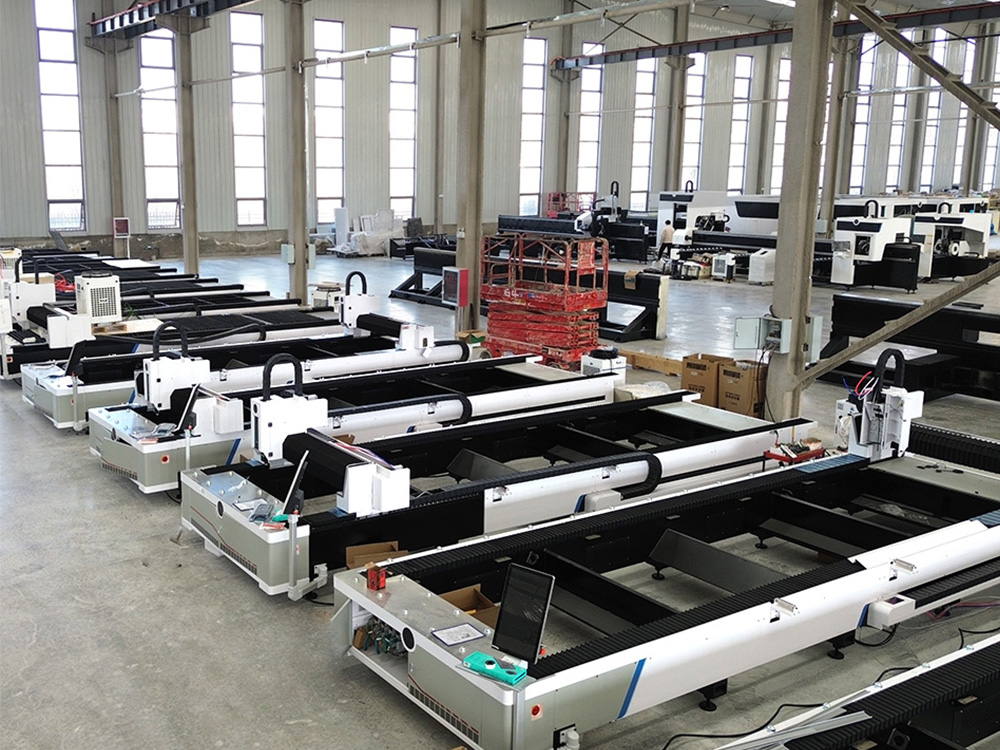
The automotive industry is undergoing a massive transformation. Strict global emissions standards and the rapid rise of New Energy Vehicles (NEVs) have made “lightweighting” the most critical engineering mandate of the decade. Factory owners and equipment procurement decision-makers can no longer rely on traditional mechanical stamping or plasma cutting for advanced, lightweight materials. These older methods cause micro-cracking in high-strength steels and thermal distortion in aluminum, leading to unacceptable scrap rates and safety hazards.
A modern precision cutting machine provides a contactless, thermal-based fabrication method that perfectly addresses these pain points. By utilizing a tightly focused, high-energy laser beam, this equipment melts and vaporizes metal with microscopic accuracy. This process results in an incredibly narrow kerf and a drastically reduced Heat-Affected Zone (HAZ). For metal fabrication and processing enterprises, this means the structural integrity of advanced lightweight alloys remains completely intact, ensuring that safety is never compromised in the pursuit of a lighter vehicle.
The “Body-in-White” (BiW) stage of automotive manufacturing represents the structural skeleton of the vehicle and offers the largest opportunity for weight reduction. To shed pounds without sacrificing crash safety, automotive engineers are heavily utilizing Advanced High-Strength Steel (AHSS) and Ultra-High-Strength Steel (UHSS) for critical safety cages, A-pillars, and B-pillars.
Processing these incredibly tough materials is where a precision cutting machine truly shines. Unlike mechanical dies that wear down quickly when punching AHSS, a laser beam never dulls. A continuous-wave industrial laser can slice through complex, 3D-stamped BiW components with unparalleled speed and accuracy. This allows technical engineers to design intricate, weight-saving cutouts and structural geometries that would be financially and physically impossible to achieve with traditional tooling. The pristine, burr-free edges produced by the machine also ensure perfect fitment during subsequent robotic welding phases.
Beyond the body shell, the vehicle’s chassis and suspension systems are prime targets for lightweighting. Aluminum alloys, particularly 5000 and 6000 series, are heavily favored here due to their excellent strength-to-weight ratios. However, aluminum is highly reflective and possesses exceptional thermal conductivity, making it historically difficult to process.
Today’s fiber-optic-based precision cutting machine overcomes these metallurgical hurdles effortlessly. The specific wavelength of a fiber laser is highly absorbed by aluminum, allowing for rapid, dross-free cutting. For specialized suspension brackets, motor mounts, and subframes, many Tier-1 and Tier-2 suppliers are deploying a mini cnc laser cutting machine alongside their massive gantry systems. These specialized, compact machines allow for rapid prototyping and highly efficient short-run production of specialized aluminum chassis components without tying up the main assembly line.
The shift toward electric mobility introduces a unique lightweighting paradox: the battery pack itself is incredibly heavy. To compensate, the battery enclosure (or tray) must be as light as possible while remaining robust enough to protect volatile lithium-ion cells from road debris and crash impacts.
Fabricating these enclosures from extruded aluminum or thin-gauge stainless steel requires absolute perfection. A single microscopic burr or uneven edge can compromise the hermetic seal of the battery pack, leading to moisture intrusion and catastrophic failure. Utilizing a precision cutting machine ensures that every mounting hole, cooling channel, and perimeter edge is cut with micrometer accuracy. For smaller, internal battery brackets and busbars, engineers often rely on a fiber laser cutting machine mini to process highly reflective copper and aluminum safely and efficiently, ensuring the entire electrical system remains as light and secure as possible.
For industrial equipment distributors and agents, understanding the specific footprint and power requirements of your clients is vital. While major OEMs require massive 3D multi-axis laser cells, the vast network of automotive parts suppliers often requires more flexible, space-saving solutions for specialized components.
Investing in a mini fiber laser metal cutting machine is a highly strategic move for manufacturing interior trim accents, complex dashboard support structures, and intricate electrical connector housings. These compact systems offer the same ±0.01mm positioning accuracy as their larger counterparts but require a fraction of the floor space. Furthermore, a high-speed mini laser cnc cutting metal machine can easily be integrated into automated robotic cells, allowing factory owners to scale up production of small, lightweight parts without a massive real estate expansion. When selecting this equipment, always prioritize a machine with linear motor drives and an advanced auto-focusing cutting head.
To maximize the return on investment (ROI) and maintain the strict quality controls required by the IATF 16949 automotive standard, technical engineers and maintenance personnel must adhere to rigid operational protocols. Even the most advanced precision cutting machine requires meticulous oversight.
Assist Gas Optimization: When cutting aluminum and stainless steel for lightweight applications, high-pressure, ultra-pure Nitrogen (99.99%) is mandatory. This prevents oxidation on the cut edge, ensuring a bright, weld-ready finish.
Focal Length Calibration: Automotive components often feature varying thicknesses. Ensure your mini laser cutting machine is equipped with intelligent auto-focus software that dynamically adjusts the beam waist to maintain a perfect cut as the material geometry changes.
Preventative Maintenance: The high-speed nature of automotive production generates fine metallic dust. Regularly cleaning the machine’s chiller unit, replacing the protective lenses on the cutting head, and inspecting the guide rails will prevent unexpected downtime and ensure your precision cutting machine delivers years of profitable, high-quality production.
 GM-F Series
 GM-E Series
 GM-EP Series
 GM-FL Series
 GM-FP Series
 GM-H Series
 GM-G Series
 GM-GP Series
 GM-1390S Series
 GM-FR Series
 GM-EPL Series
 GM-TS Series
 GM-T2 Series
 GM-T2S Series
 GM-T2L Series
 GM-T3 Series
 GM-T3L Series
 GM-T4 Series
 GM-FT Series
 GM-FTE Series
 GM-FTP Series
 GM-W Series
 GM-WFA Series
 GM-WA Series
 GM-C Series
 GM-CP Series
 GM-EPB Series
 GM-HPB Series
 GM-TPBS Series
 GM-TPB Series