Traditional plasma cutting costs $18/hour, while a modern High-power laser cutting machine reduces that to under $9/hour through increased speed and zero secondary processing. Struggling with slow turnaround times and rough edges on massive steel infrastructure projects? This guide explores how high-speed fiber solutions optimize structural fabrication, ensuring your facility maximizes throughput and precision.
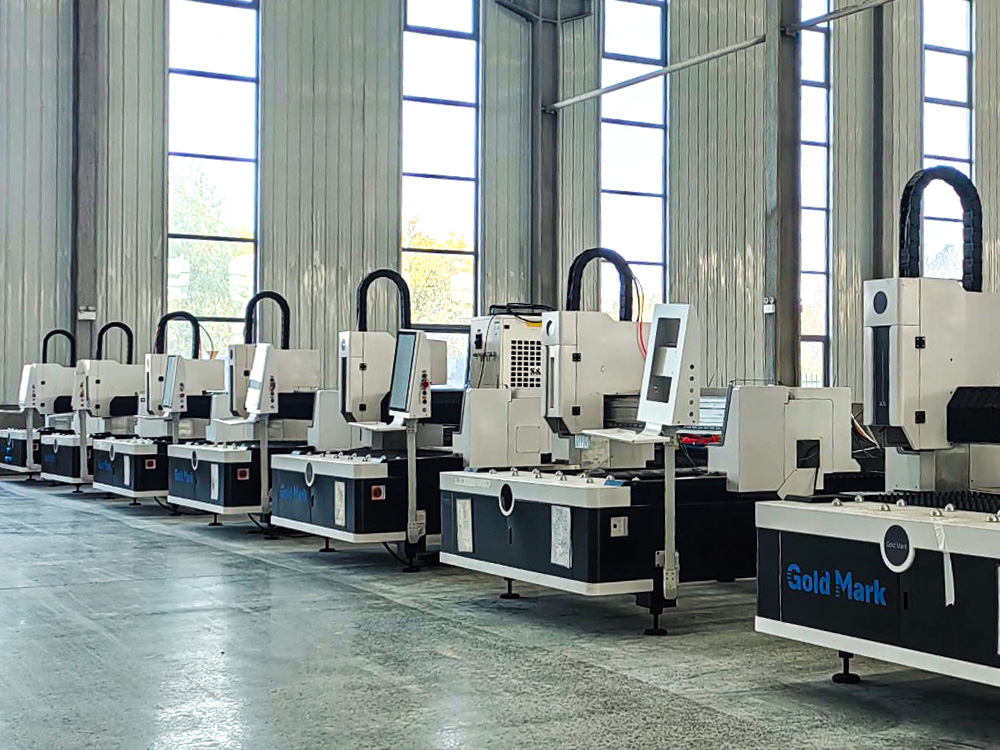
For decades, the heavy steel industry relied on oxy-fuel or plasma cutting to process thick plates for bridges, skyscrapers, and maritime structures. While these methods were the industry standard, they introduced significant heat-affected zones (HAZ) and required hours of manual grinding. The emergence of the High-power laser cutting machine has fundamentally shifted this paradigm.
By concentrating immense energy into a microscopic point, this equipment allows for “lightning-fast” processing of carbon steel and stainless steel. For factory owners and procurement decision-makers, this transition represents more than just a speed upgrade; it is a total overhaul of the production workflow. A fiber laser cutting machine offers a level of consistency that manual or mechanical methods simply cannot match, leading to fewer errors and higher profit margins on large-scale contracts.
As infrastructure projects grow in scale, so does the thickness of the material required. This has led to the development of the ultra-high-output 40 kw laser cutting machine. Just a few years ago, cutting 50mm thick steel was the exclusive domain of plasma; today, a 40kW system slices through it like a hot knife through butter.
A 40 kw laser cutting machine provides several critical advantages:
Extreme Thickness Capability: It can process carbon steel up to 100mm and stainless steel up to 80mm with high-quality edges.
Increased Speed on Mid-Range Plate: For standard 20mm structural plates, a 40kW system is exponentially faster than a 12kW model, effectively doubling or tripling a factory’s daily output.
Enhanced Piercing Stability: High power allows for “flash piercing,” reducing the time the laser spends on a single spot and preventing thermal deformation in thick sheet metal laser cutting machine operations.
The versatility of a cnc laser cutting machine makes it indispensable for modern Steel structure laser cutting machine applications. In massive infrastructure projects, the following components benefit most from high-power fiber technology:
Bridges require massive gusset plates with dozens of perfectly aligned bolt holes. Using a High-power laser cutting machine, these holes can be cut to a tolerance of ±0.05mm. This precision ensures that when the steel arrives at the construction site, every bolt slots in perfectly, eliminating the need for dangerous and time-consuming on-site reaming.
Modern skyscrapers utilize heavy-wall box columns and H-beams. A cnc laser cutting machine integrated with a 5-axis head can handle these complex geometries, allowing for intricate cutouts for plumbing, electrical, and structural interlocking without compromising the beam’s integrity.
Wind turbine towers require massive circular base plates. A High-power laser cutting machine ensures that these large-diameter cuts remain perfectly concentric, which is vital for the structural stability of the tower under high-wind loads.
One of the most significant bottlenecks in heavy steel fabrication is weld preparation. Traditionally, after a plate was cut, a worker would have to use a handheld torch or a milling machine to create a bevel (V, Y, or K-shaped edge).
Modern bevel laser cutting machine technology eliminates this entire step. By utilizing a rotating cutting head, the laser can cut the part and the bevel simultaneously. This “one-pass” processing means the part is ready for robotic welding the moment it leaves the machine bed. For industrial equipment distributors, this is the primary selling point for the next generation of Steel structure laser cutting machine solutions—it turns a two-man, two-machine job into a one-machine automated process.
For procurement decision-makers, the hardware is only half the battle. Partnering with the right laser cutting machine manufacturer is essential for long-term reliability. Massive infrastructure projects cannot afford downtime.
When evaluating a manufacturer, consider these three pillars:
Machine Bed Stability: A High-power laser cutting machine generates immense kinetic energy during high-speed movements. Look for manufacturers that use heavy-duty, heat-treated machine beds that can absorb these vibrations without losing accuracy.
Software Integration: The best cnc laser cutting machine systems include advanced nesting software that maximizes material utilization, reducing scrap costs by up to 20%.
Local Support and Maintenance: Ensure the manufacturer has a robust service network. Technical engineers need access to rapid spare parts (nozzles, lenses, and sensors) to keep the 24/7 production cycle moving.
Maintaining a High-power laser cutting machine requires a proactive approach from maintenance personnel. Because these machines operate at such high energy levels, even minor contamination can lead to failure.
Optical Cleanliness: The protective windows of the cutting head must be inspected daily. In high-power environments (30kW+), a single speck of dust can cause the lens to overheat and crack.
Gas Purity: Whether using Oxygen for thick carbon steel or Nitrogen for a bright finish on stainless steel, gas purity must be at least 99.95%. Impure gas will immediately degrade the cut quality of a sheet metal laser cutting machine.
Chiller Health: The laser source and the cutting head generate massive heat. Maintaining the industrial water chiller—checking conductivity and changing filters—is the single most important task for ensuring the longevity of the laser modules.
The integration of high-speed fiber laser solutions is no longer a luxury; it is a prerequisite for competing in the global infrastructure market. From the raw power of a 40 kw laser cutting machine to the precision of a bevel laser cutting machine, these tools are redefining what is possible in steel fabrication. By reducing labor costs, eliminating secondary processing, and providing unmatched precision, the High-power laser cutting machine is the engine driving the next generation of massive steel structures.
 GM-F Series
 GM-E Series
 GM-EP Series
 GM-FL Series
 GM-FP Series
 GM-H Series
 GM-G Series
 GM-GP Series
 GM-1390S Series
 GM-R Series
 GM-EPL Series
 GM-TS Series
 GM-T2 Series
 GM-T2S Series
 GM-T2L Series
 GM-T3 Series
 GM-T3L Series
 GM-T4 Series
 GM-FT Series
 GM-FTP Series
 GM-W Series
 GM-WFA Series
 GM-WA Series
 GM-C Series
 GM-CP Series
 GM-EPB Series
 GM-HPB Series
 GM-TPBS Series
 GM-TPB Series